Analysis
The newly published report combines indicators from different years, so it should not be read as a single 2026 traffic census. Infrastructure and safety remain central to understanding cycling demand.
Ownership and actual travel are not the same
DLR's November 2026 report estimates roughly 81 million bicycles in Germany. Cycling accounts for about 11% of journeys. A large bicycle fleet does not necessarily mean that a similar proportion of daily distance is travelled by bicycle.
Electric assistance changes behaviour
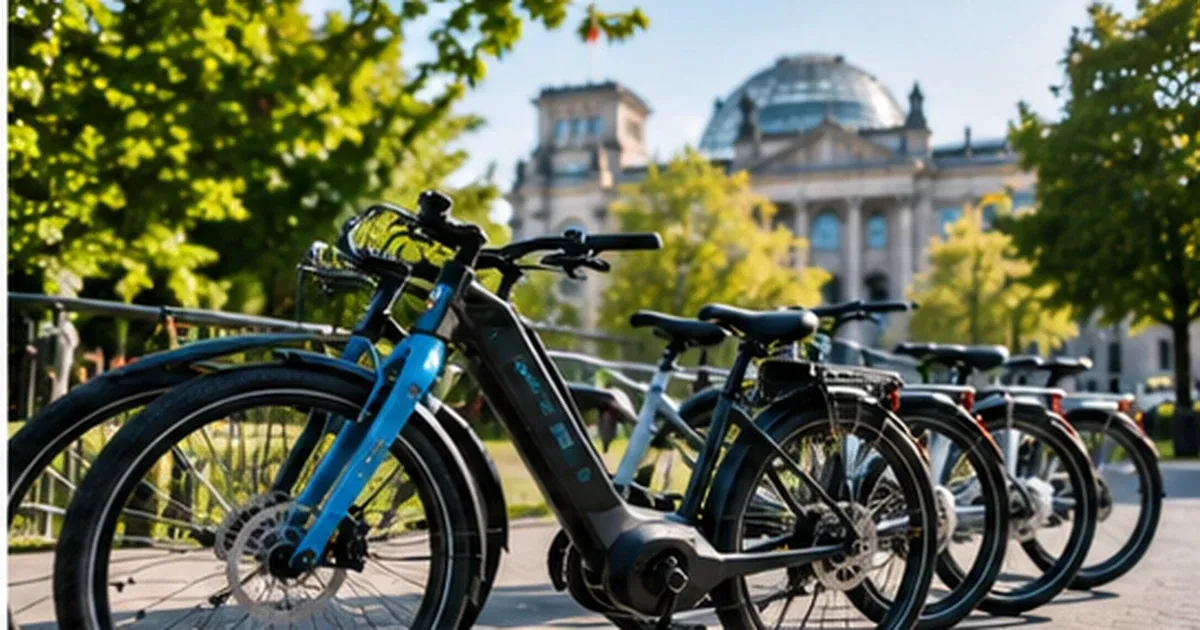
The proportion of households owning at least one pedelec rose from 8% in 2014 to 21% in 2023. DLR says sales of pedelecs overtook conventional bicycles for the first time in 2024. Total daily cycling distance increased from 82 million kilometres in 2002 to 117 million in 2023.
Urban and rural needs differ
Cycling's share of journeys reaches around 15% in metropolitan and larger urban areas, compared with about 9% in small towns and rural communities. Electric assistance helps some riders cover longer trips, while secure bicycle parking near public transport remains a challenge.
Safety matters for future growth
Only 7% of cyclists surveyed said they felt very safe in traffic. The findings suggest that vehicle adoption and road design need to be considered together. Municipalities can use local journey patterns rather than national totals alone when planning cycle routes.
Source
Places: Germany