Analysis
Bitkom is presenting an advocacy position. A committee proposal is not a final law, nor is a general ban on smart glasses currently established by this report.
What is being debated
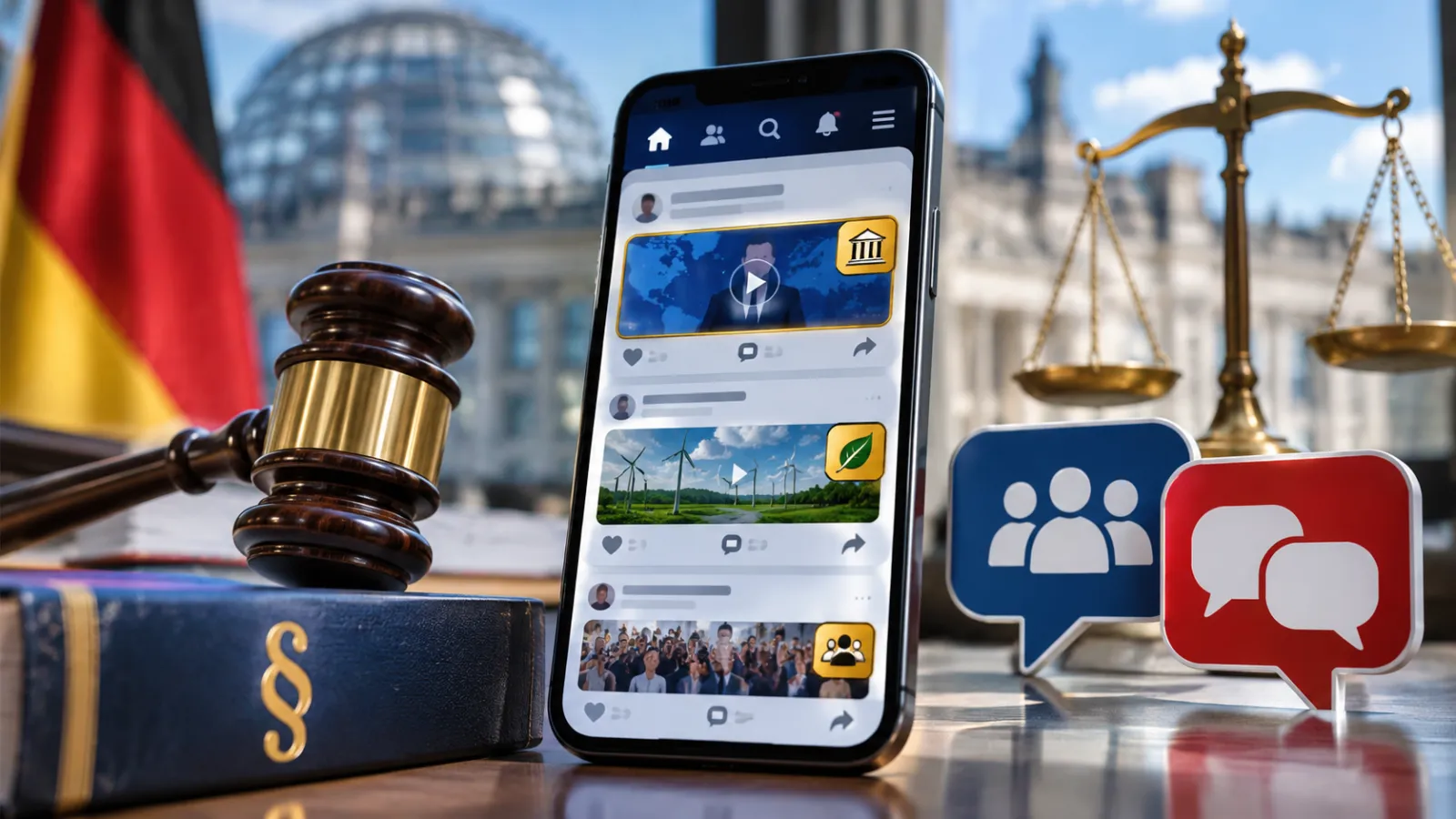
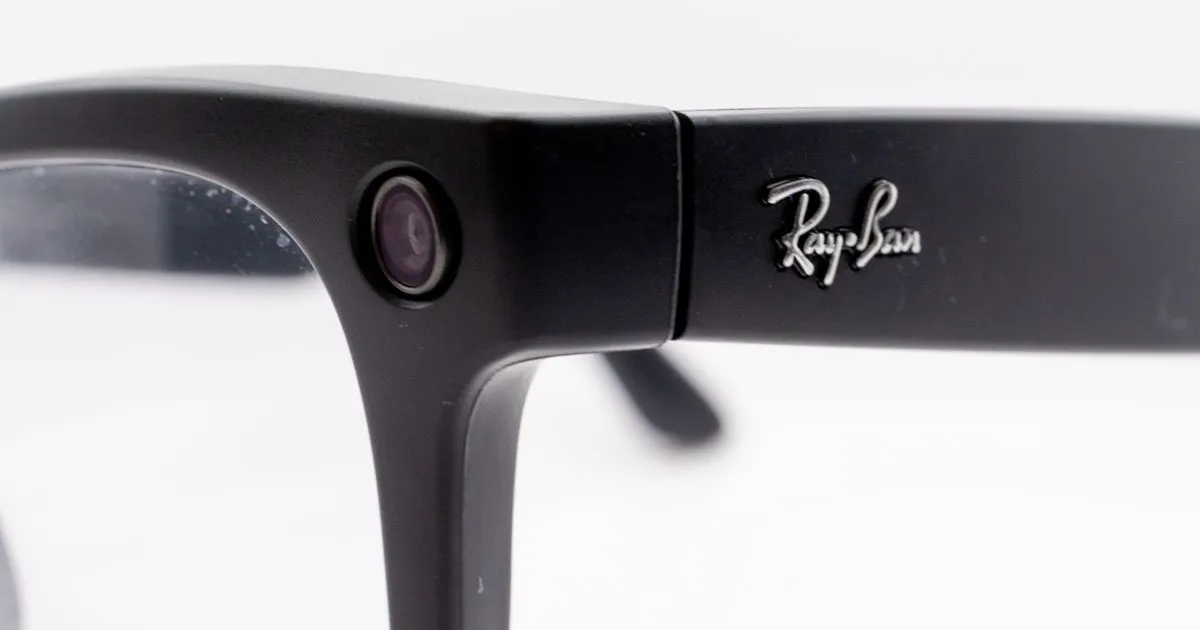
The German Bundesrat considered proposals associated with legislation to strengthen protection against digital violence. Bitkom says Bundesrat committees suggested broadening controls on hidden recording equipment. The association argues that certain smart glasses could fall under such rules even when they clearly signal active recording. The statement does not establish that a ban has been enacted.
Why visible recording matters
According to a Bitkom survey quoted in its 20 November statement, 82% of Germans want smart glasses to give a clearly visible indication when recording. An illuminated LED is one possible solution. That indicator can make filming more transparent to bystanders, although it does not by itself settle consent, privacy or data-protection questions.
Potential benefits and competing interests
Camera-enabled glasses may support real-time text translation and accessibility or assistance functions. Bitkom is concerned that overly broad classifications could restrict these uses along with undesirable surveillance. Its preferred approach combines targeted rules against misuse with transparent technical design rather than treating every owner as a potential offender.
What is not yet settled
The precise legal outcome depends on further legislative steps. Consumers should distinguish the association's recommendation from current binding law. Manufacturers need to assess existing privacy rules and whether camera activity is reliably signalled to nearby people.
Source
Places: Germany