Analysis
Manufacturing is less visible than finance in Frankfurt's public image but remains important for jobs and the municipal budget. A revised plan could help businesses only if commitments turn into sites, approvals and infrastructure in practice.
What happened at the Frankfurt industry forum?
Around 200 people from business, politics and public administration met on 19 November 2026 at the annual Frankfurt industry evening. A Chamber of Commerce (IHK) statement published on 20 November describes pressure on the local investment climate: industrial and commercial land is scarce, infrastructure needs improvement, and administrative approvals can take too long. High operating costs add further uncertainty for companies considering expansion.
A ten-year-old industrial strategy is being reviewed
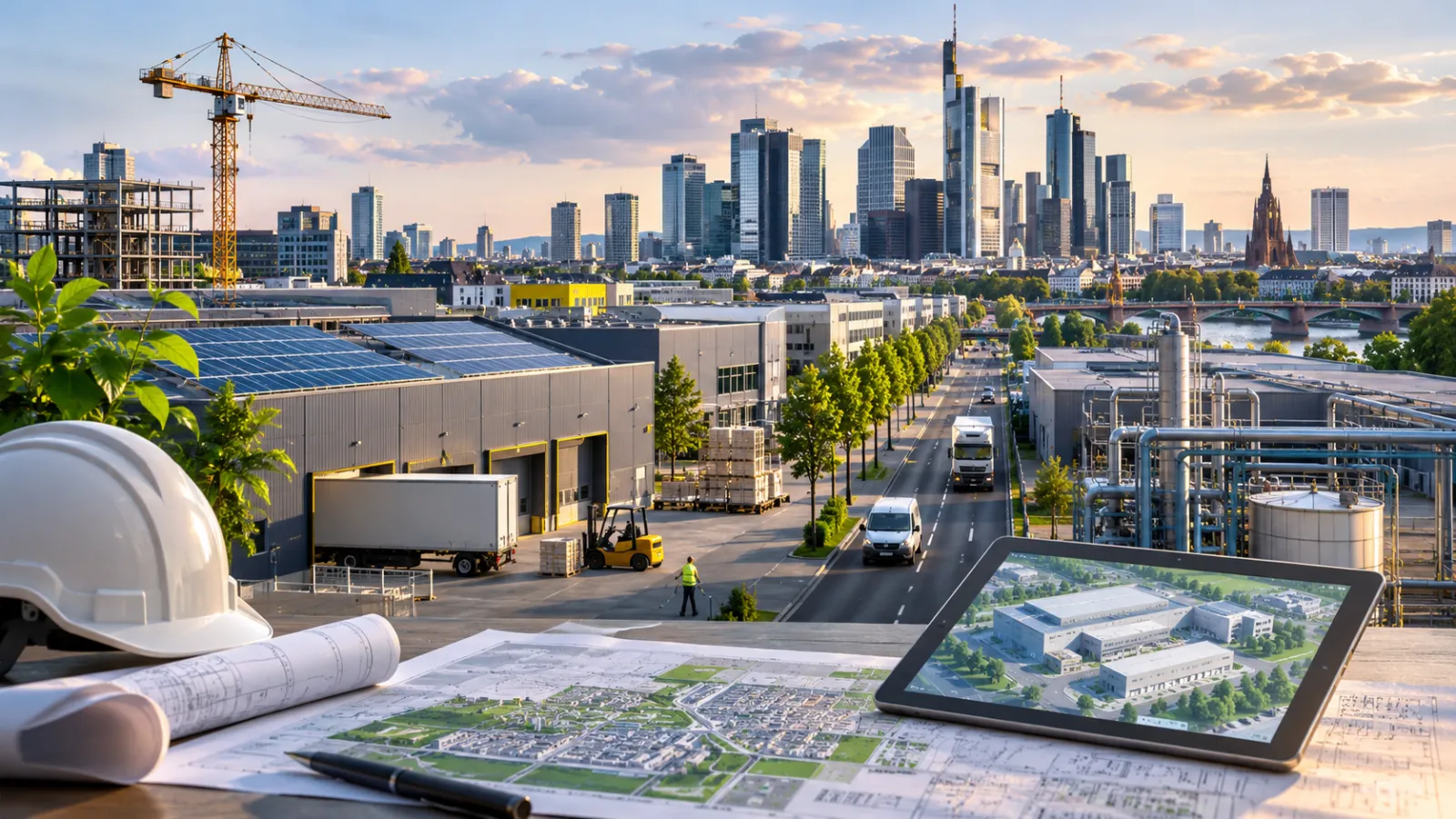
According to IHK Frankfurt, the city's economic affairs councillor Nils Kößler said a process to update the industrial master plan has begun. After roughly a decade, officials want to assess previous progress and adjust priorities. They highlighted safeguarding and designating industrial land, strengthening energy supply, streamlining procedures and connecting industry more closely with educational institutions. No firm completion date for the revised plan was announced.
Industry's contribution to the city
Manufacturing businesses contributed more than €200 million in municipal trade tax in 2025, according to the city. They also provide employment and training opportunities. IHK president Ulrich Caspar advocated more competitive energy prices, less red tape and dependable infrastructure, while national chamber president Peter Adrian emphasised predictable conditions and the overall cost of investing in Germany.
The Höchst industrial park example
Vulcan Energy highlighted its proposed lithium-production activity at the Höchst industrial park as a case of industrial value creation benefiting from existing infrastructure. The discussion illustrates what companies seek from local policy, but the meeting itself does not guarantee that every proposed investment will proceed. The next test is whether the city translates the master plan into specific, time-bound measures.
Source
Places: Hesse