Analysis
A genuine Normal Read retrieves data from the specific ECU rather than relying on a matched virtual file. This can help documentation and recovery, but workshops must still verify ECU compatibility, voltage stability and legal calibration requirements.
What the new protocol offers
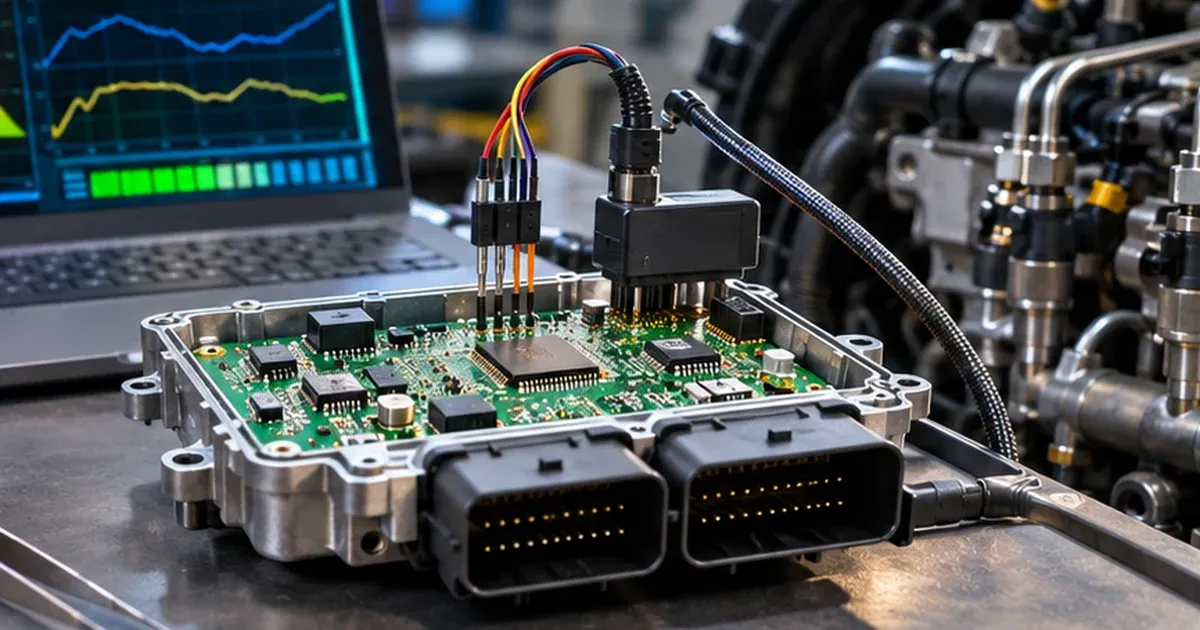
AutoTuner's 18 November release adds BOOT Normal Read for Delphi DCM3.5 on the AutoTuner Tool. The listed scope includes bootloader, software and calibration reading, backup creation, writing and checksum correction.
ECU hardware background
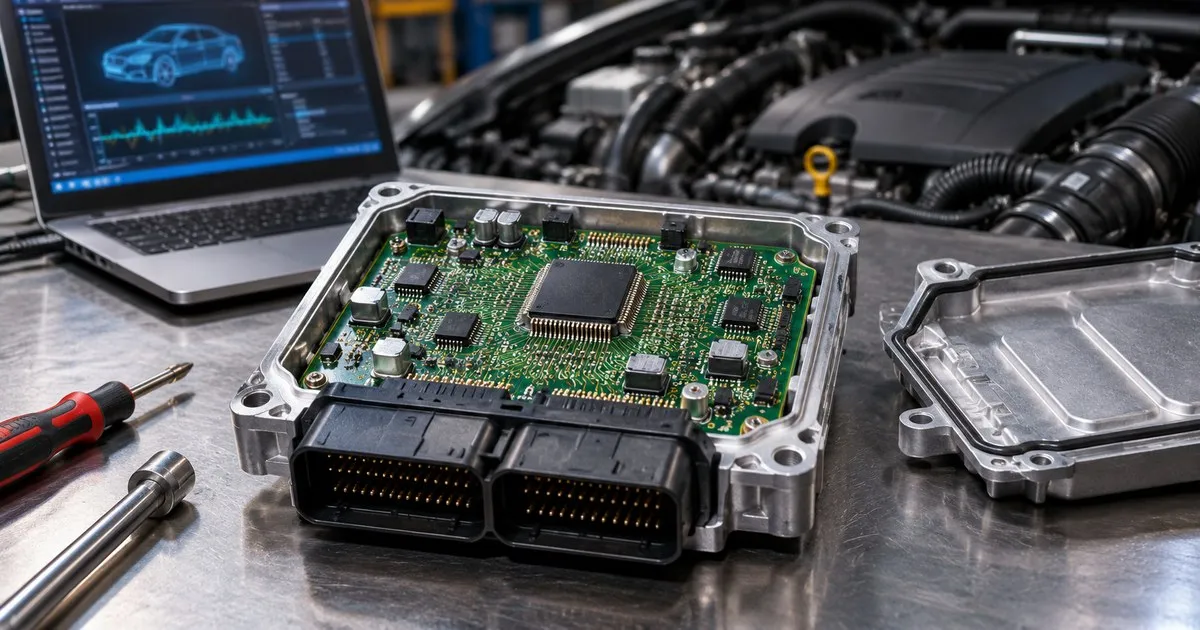
According to the manufacturer, DCM3.5 uses a 32-bit Freescale MPC5566 microcontroller and appeared around 2009 in PSA's DW10 2.0-liter turbo-diesel family. It controls high-pressure common-rail injection and also the combustion side of the HYbrid4 powertrain, which combines a front diesel engine with rear electric drive.
Applications covered
The supplier lists Peugeot 308, 508, 3008, RCZ and Expert; Citroën C4, C5, DS4, DS5, Jumpy and Jumper; and Fiat Scudo and Toyota ProAce. Vehicle badges alone cannot confirm compatibility: check ECU part number, hardware and software versions against the official list.
Normal Read versus Virtual Read
A BOOT Normal Read retrieves information from the installed control unit. A Virtual Read typically obtains a matching reference file instead. This distinction matters for preserving the original state and investigating repairs. Checksum correction can make a file structurally acceptable to the interface but does not validate engine safety or emissions compliance.
Timing and precautions
AutoTuner lists approximate read and write times of five and seven minutes. These are supplier estimates, not guarantees. BOOT procedures require authorized access, correct connections, a stable power supply and competent handling because a failed write can immobilize a vehicle.
Tuning needs proper calibration
Boost, fuel delivery, torque limits, thermal limits and aftertreatment are interdependent. Reading or writing capability alone does not produce a safe tune. Changes may require approval and must comply with roadworthiness and emissions rules.
Workshop implications
The update can support legitimate backup, repair and controlled calibration workflows for an established diesel fleet. Slave-tool operators must also verify the procedures required by their master-file provider.