Analysis
The initiative is in a planning phase, not announcing new measured climate results. Its 2027–2030 implementation aims to improve coordination of field observations, satellite measurements and scientific modelling.
Why international coordination matters
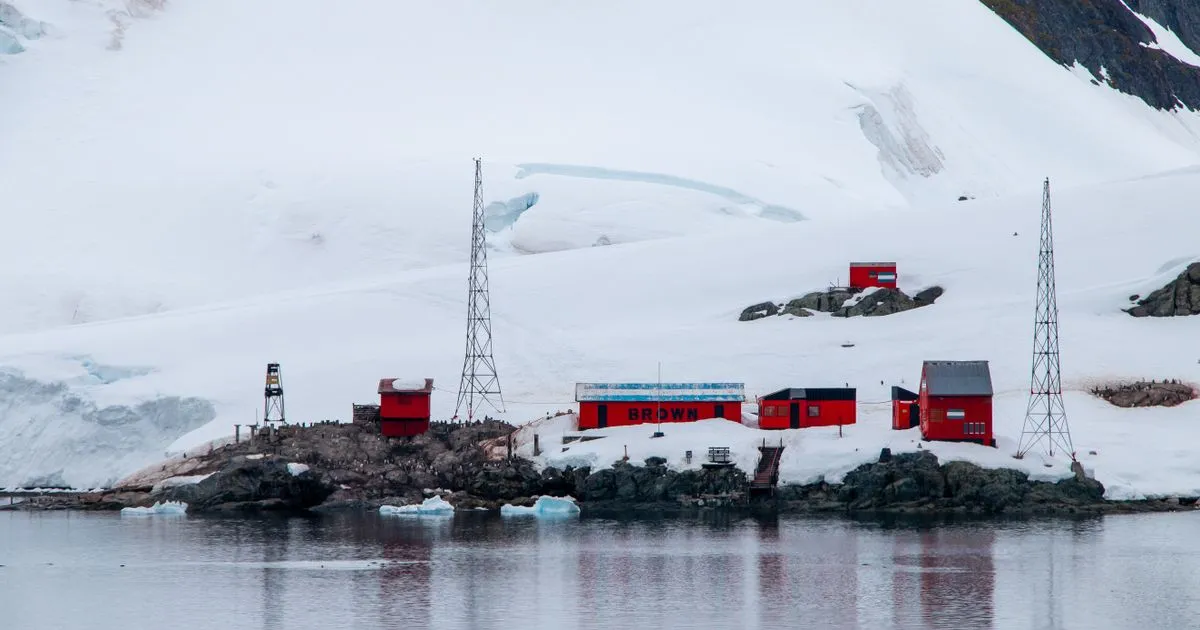
Antarctica and the Southern Ocean affect global climate and ocean processes, but polar fieldwork is expensive and logistically demanding. Antarctica InSync seeks to bring together research teams, national polar programmes and observing networks. ESA hosted a workshop at its ESRIN facility in Frascati from 10 to 13 November 2026, with more than 130 attendees from 29 countries and additional online participation.
Turning seven science priorities into action
A science plan developed from the 2025 meeting identifies seven research themes, including sea ice and ice sheet change, physical and biogeochemical processes in the Southern Ocean, Antarctic biodiversity, human impacts, atmospheric processes and climate variability. The 2026 meeting focused on translating these priorities into coordinated campaigns rather than presenting a new single discovery.
A shared approach to measurements and data
Planned tools include standard operating procedures for comparable observations, a catalogue of campaigns, an Earth-observation data catalogue, an overview of modelling work and a data management plan. Satellites can observe broad regions and long periods, while direct field measurements help check and improve their accuracy. Connecting the two is expected to make datasets more useful across national and disciplinary boundaries.
What happens next
The coordinated implementation and analysis phase is planned for 2027–2030. ESA says a final implementation plan is due in early 2027 following further consultation. The longer-term intention is to support a lasting polar observation legacy leading into the Fifth International Polar Year in 2032–33.
Source
Places: Antarctica